

What Is a Long Tail Keyword Generator?
A long tail keyword generator is a specialized SEO tool designed to uncover highly specific search phrases that people use when they are closer to taking action. These phrases—known as long-tail keywords—typically consist of three or more words and reflect clear intent, such as researching a service, comparing providers, or looking for a local solution right now.
Search has changed. Broad keywords like “SEO services” or “plumber” are dominated by national brands, directories, and ads. Even if a smaller business ranks, those searches often bring unqualified traffic that doesn’t convert.
Modern SEO rewards relevance, context, and intent. Google’s own documentation emphasizes creating helpful, people-first content that directly answers searcher needs (see Google Search Central’s guidance on helpful content:
https://developers.google.com/search/docs/fundamentals/creating-helpful-content).
This is where a long tail keyword generator becomes essential. Instead of guessing what to target, businesses can uncover:
- Lower-competition keyword opportunities
- Buyer-focused and local-intent phrases
- Keywords aligned with how people actually search
For small businesses and service providers, this approach leads to faster rankings, higher-quality traffic, and better conversion rates.
What Are Long-Tail Keywords? (SEO Foundation)
Clear Definition
Long-tail keywords are longer, more specific search queries that narrow down exactly what a user wants. While each phrase may have lower individual search volume, long-tail searches collectively make up the majority of all Google searches.
Short-Tail vs Long-Tail Keywords
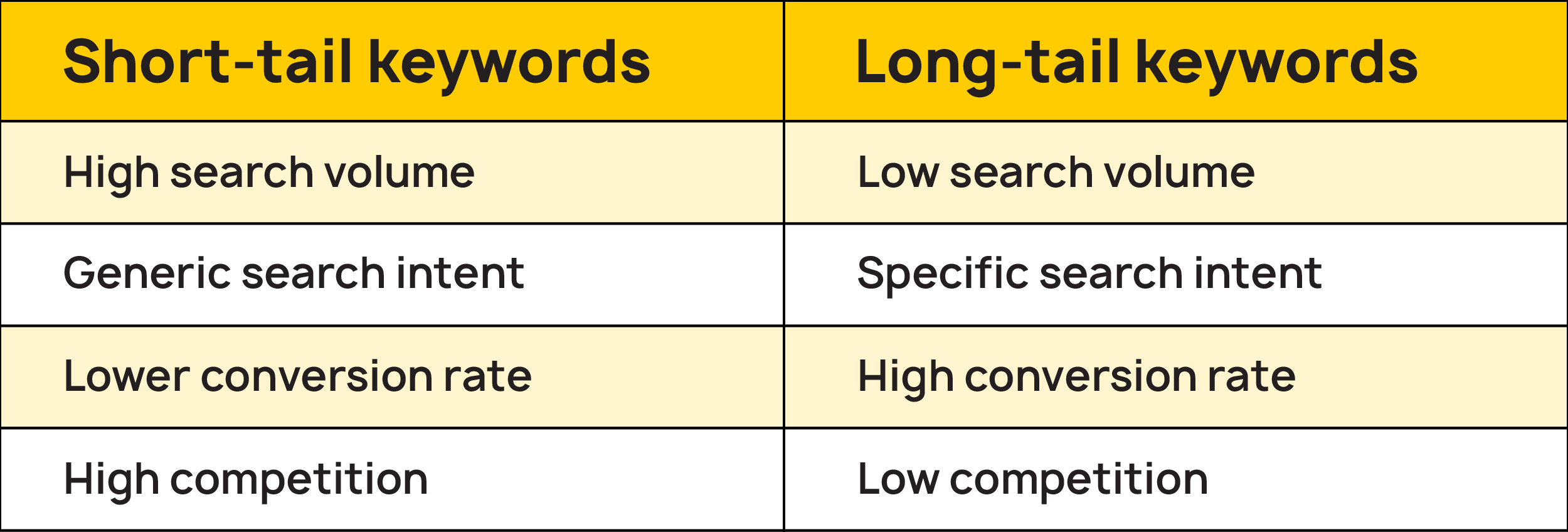
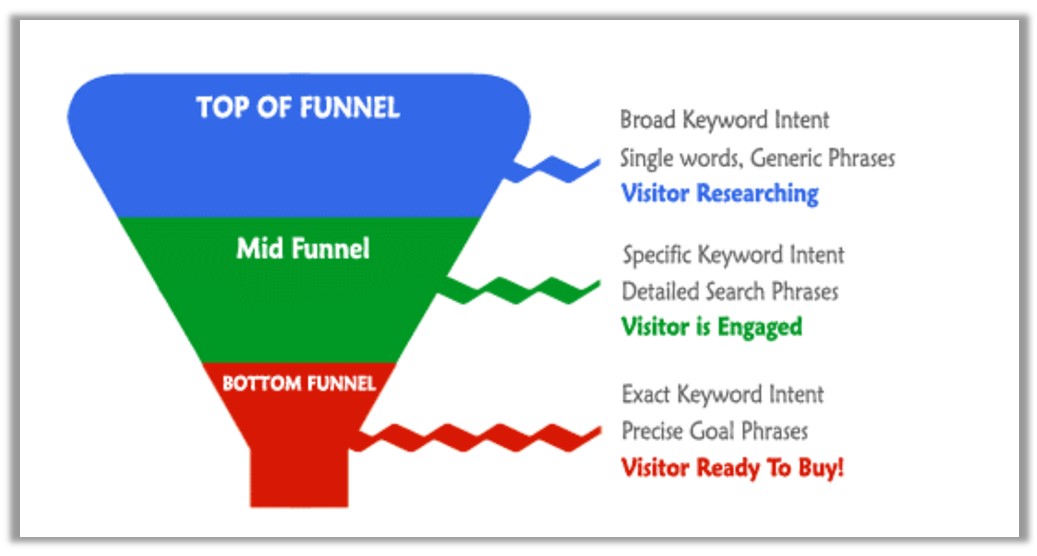
| Keyword Type | Example | Competition | Intent Clarity | Conversion Potential |
|---|---|---|---|---|
| Short-tail | “roofing” | Extremely high | Low | Low |
| Mid-tail | “roofing company” | High | Medium | Medium |
| Long-tail | “residential roofing company in Tampa FL” | Low | Very high | High |
Understanding Search Intent
Every search falls into one or more intent categories:
- Informational: “how long does a roof last”
- Commercial: “best roofing company for metal roofs”
- Transactional: “hire roofing contractor near me”
- Local: “roof repair in Tampa FL”
Long-tail keywords often combine intent types, making them ideal for service pages, blog content, and local SEO strategies.
Why Long-Tail Keywords Convert Better
Long-tail searches indicate that the user:
- Knows what they need
- Is closer to a decision
- Is actively looking for a solution
For local businesses, these searches translate directly into phone calls, form submissions, and booked appointments.
Why Long-Tail Keywords Matter for SEO & Local SEO
Long-tail keywords are one of the most effective ways to compete in crowded markets without massive budgets.
Faster Ranking Potential
Lower competition means fewer authoritative sites to outrank. This allows:
- New websites to gain traction faster
- Local businesses to compete with larger brands
- Service pages to rank without excessive backlinks
Higher Conversion Rates
Because the intent is specific, visitors are more likely to:
- Stay on the page longer
- Engage with content
- Take action
Better Alignment With Google’s Algorithm
Google prioritizes relevance and usefulness over raw keyword volume. Long-tail keywords naturally support this by encouraging focused, in-depth content instead of shallow pages targeting broad terms.
Local SEO Advantages
Long-tail keywords often include:
- City and state names
- Neighborhoods
- “Near me” and urgency-based phrases
This makes them extremely powerful for local SEO, Google Maps rankings, and service-area businesses.
What Is a Long Tail Keyword Generator & How It Works
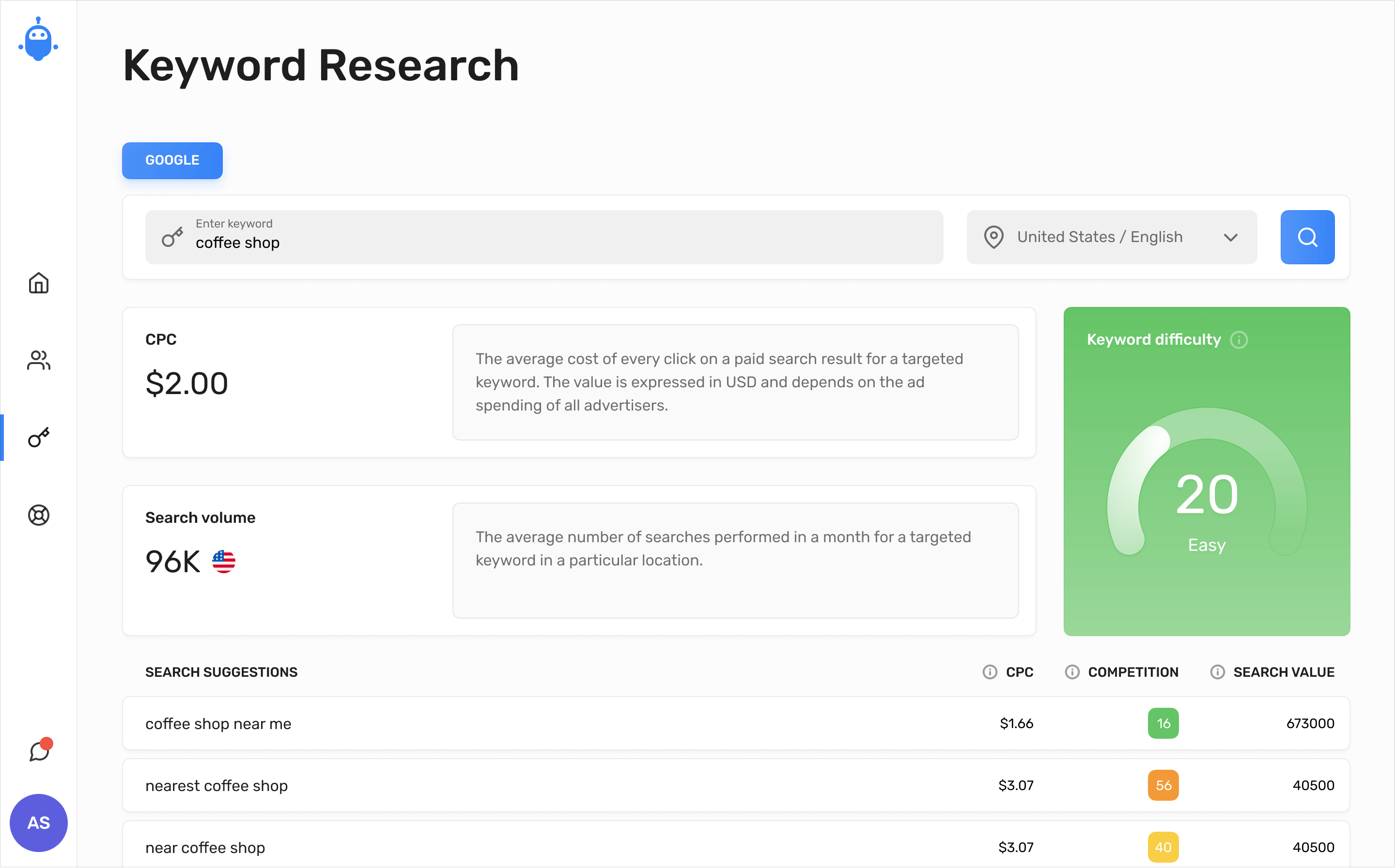
A long tail keyword generator expands a basic idea into dozens of targeted keyword opportunities based on real search behavior.
How a Long Tail Keyword Generator Works
- You enter a seed keyword (example: “garage door repair”)
- The tool analyzes common search modifiers and patterns
- It generates long-tail variations people actively search
- You select keywords based on intent and relevance
What This Supports
- Blog content planning
- Service page optimization
- Local SEO keyword mapping
- Internal linking and topical authority
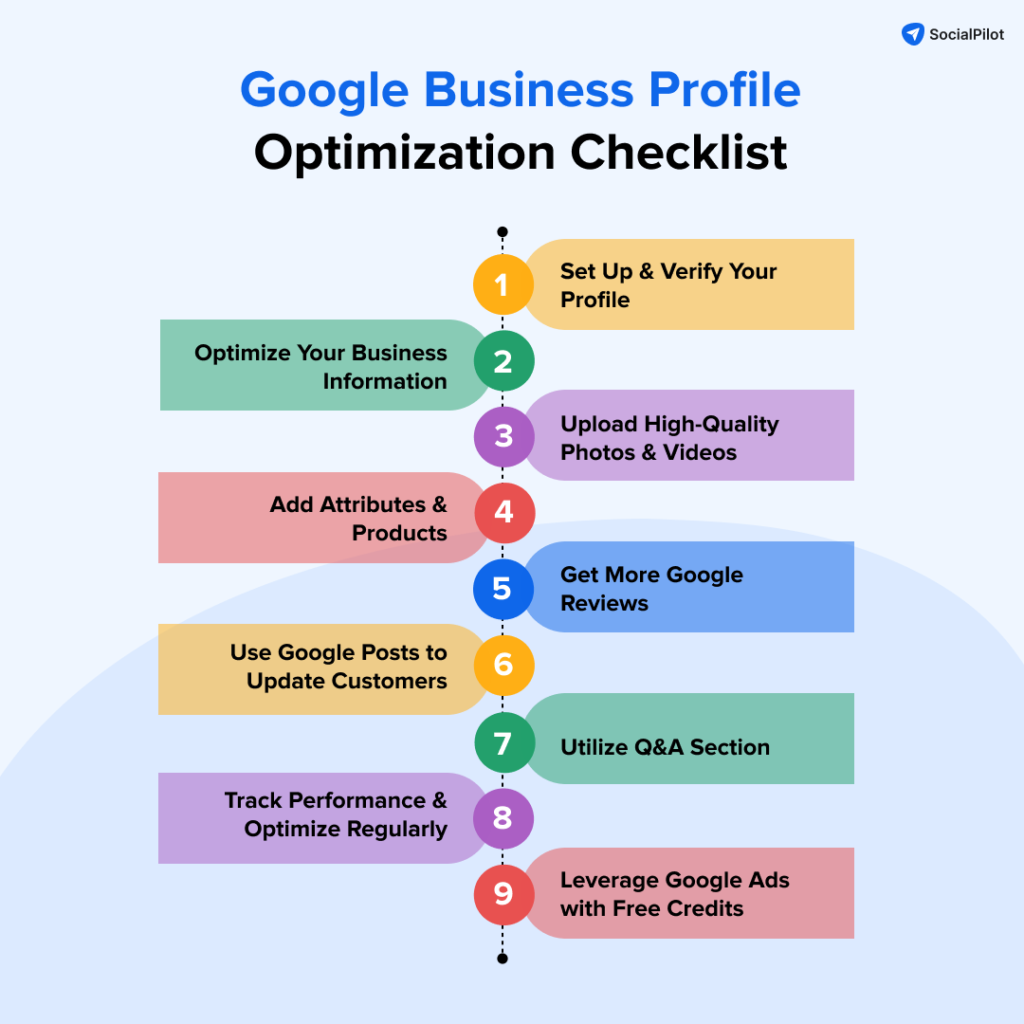
- Google Business Profile content
Instead of relying on assumptions, you build your SEO strategy around real demand.
🔥 Feature Spotlight: Libra Web & Marketing Solutions Long Tail Keyword Generator
The Long Tail Keyword Generator from Libra Web and Marketing Solutions was built specifically for small businesses, local service providers, and agencies that need practical results—not overwhelming dashboards.
You can access the tool here:
👉 https://lwam.co/long-tail-keyword-generator/
Who This Tool Is Designed For
- Local service businesses (home services, automotive, professional services)
- Small business owners managing their own SEO
- Freelancers and marketing agencies
- Entrepreneurs trying to rank faster with limited resources
How the Tool Works (Step-by-Step)
- Enter your main keyword or service
- Instantly receive long-tail keyword variations
- Identify phrases with buyer or local intent
- Apply them to blogs, service pages, or Google Business Profile content
What Makes This Tool Different
- Focuses on long-tail and intent-based keywords
- Designed for real-world SEO implementation
- Easy to use without advanced technical knowledge
- Built specifically for service-based and local SEO strategies
Real-World Use Cases
- Creating city-specific service pages
- Writing blog posts that answer customer questions
- Structuring internal links around keyword themes
- Optimizing Google Business Profile descriptions and posts
Unlike generic keyword tools, this generator prioritizes clarity, relevance, and conversion potential.
How to Use Long-Tail Keywords for Real Rankings
1. Choose Keywords With Clear Intent
Avoid keywords that don’t align with your business goals. Focus on phrases that signal:
- A problem
- A need
- A desire to hire or book
2. Map Keywords to the Right Pages
Each page should target:
- One primary long-tail keyword
- Several closely related variations
- A single, clear intent
Avoid having multiple pages competing for the same keyword.
3. Optimize Content Naturally
Use long-tail keywords in:
- Page titles and meta descriptions
- H1 and H2 headings
- The first 100–150 words of content
- Image alt text
Always write for humans first.
4. Blog vs Service Page Strategy
- Blog posts: Informational and commercial-intent keywords
- Service pages: Transactional and local keywords
Blogs support authority; service pages drive conversions.
5. Internal Linking Strategy
Link blog posts to relevant service pages using descriptive anchor text. This helps Google understand topical relationships and passes internal authority.
6. Add Local Modifiers
For local SEO, include:
- City and state names
- Neighborhoods
- Service areas
- “Near me” phrases where natural
Long-Tail Keywords for Local SEO & Google Maps
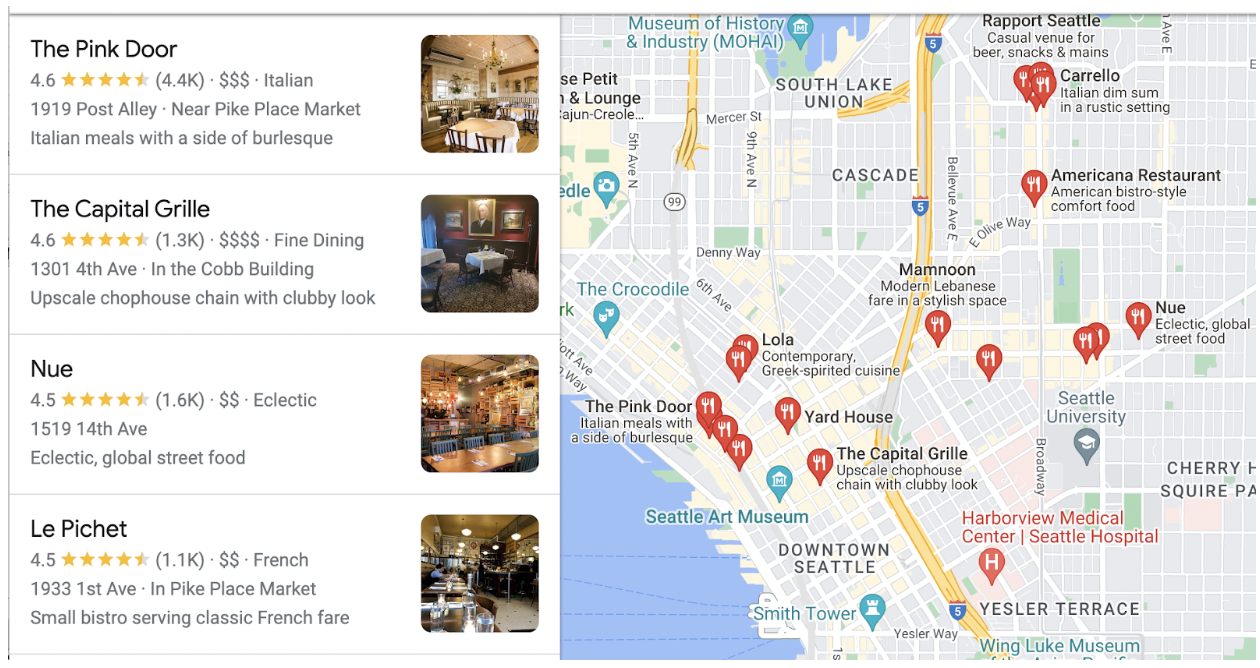
Long-tail keywords play a direct role in local visibility when applied consistently across:
- Website service pages
- Google Business Profile descriptions
- GBP posts and FAQs
- Local citations
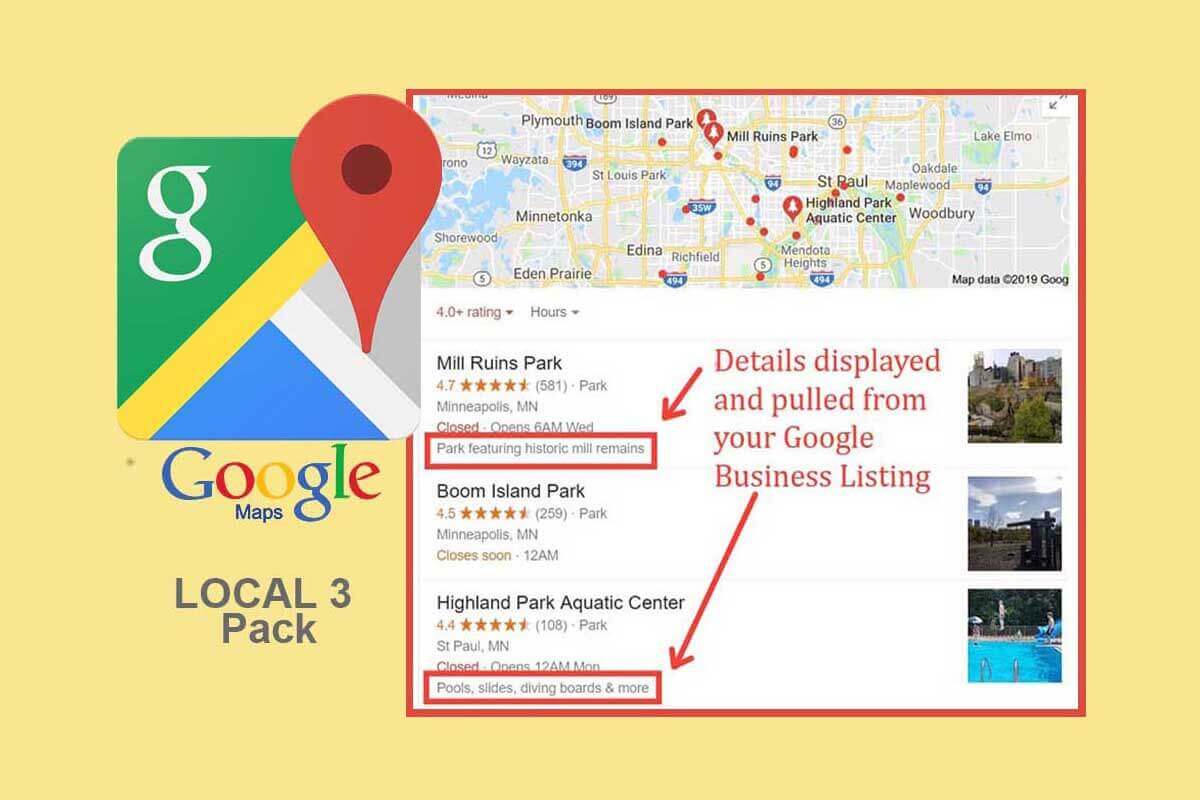
When your content and business profile align around the same keyword themes, Google gains confidence in your relevance for local searches.
According to Google Business Profile guidelines, accurate, descriptive information helps improve visibility and user trust:
https://support.google.com/business/answer/3038177
This alignment is critical for appearing in the Map Pack and attracting high-intent local traffic.
🔗 Internal Service Highlight: Google Visibility Boost
Keyword research alone won’t guarantee local rankings. Execution matters.
The Google Visibility Boost service from Libra Web and Marketing Solutions helps businesses:
- Optimize Google Business Profiles correctly
- Align keyword strategy with local ranking factors
- Improve Google Maps visibility
- Generate more calls, clicks, and direction requests
Learn more about the service here:
👉 https://lwam.co/google-visibility-boost
Long-tail keywords attract the right searches. Proper optimization ensures your business shows up when it matters most.
Common Mistakes When Using Long-Tail Keyword Generators
Even with the right tool, mistakes can limit results:
- Targeting too many keywords on one page
- Ignoring search intent in favor of volume
- Keyword stuffing instead of contextual optimization
- Forgetting to include local relevance
- Not tracking rankings, traffic, or conversions
Effective SEO is strategic, measured, and intent-driven.
Frequently Asked Questions
What is the best long tail keyword generator?
The best option is one designed for practical SEO and real-world application. A tool that focuses on intent-driven, service-based, and local keyword discovery provides the most value.
Are long-tail keywords better for local SEO?
Yes. Long-tail keywords naturally align with location-based searches and user intent, making them ideal for local businesses.
How many long-tail keywords should I target per page?
One primary long-tail keyword with a few supporting variations is the most effective and safest approach.
Do long-tail keywords still work in 2025?
Yes. They are more important than ever due to Google’s focus on relevance, context, and helpful content.
Can small businesses compete using long-tail keywords?
Absolutely. Long-tail keywords reduce competition and allow smaller businesses to rank faster and attract qualified leads.
Should long-tail keywords be used in Google Business Profiles?
Yes. They should appear naturally in descriptions, services, posts, and FAQs to reinforce relevance.
Conclusion: Turn Keyword Strategy Into Sustainable Growth
SEO success no longer comes from chasing the biggest keywords. It comes from understanding how real people search and meeting them with relevant, helpful content.
A long tail keyword generator gives businesses the insight needed to rank faster, attract higher-quality traffic, and convert visitors into customers.
Start uncovering real opportunities now with the Long Tail Keyword Generator:
👉 https://lwam.co/long-tail-keyword-generator/
For businesses ready to scale local visibility and dominate Google Maps, combining keyword strategy with full Google Business Profile optimization is the next logical step. The right keywords open the door—expert execution keeps you ahead.